
What Is Attachment Theory—and Why Should You Care?
Ever wonder why you react the way you do in relationships? Why some people crave closeness while others need space? Why emotional intimacy feels easy for some and overwhelming for others?
In our latest podcast episode, we explore Attachment Theory—a powerful psychological framework that explains how the emotional bond between infants and caregivers shapes the way we handle closeness, conflict, and connection throughout our lives.
Attachment starts early, through everyday moments.
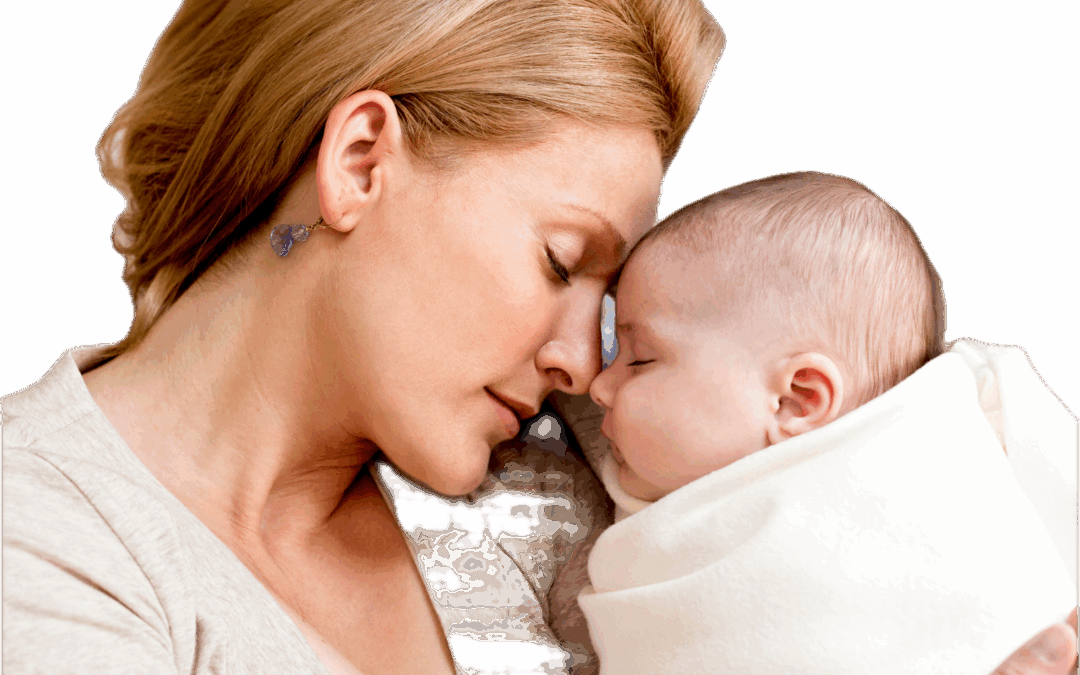
In a baby’s first few years, thousands of small interactions—like crying, smiling, and being held—help form a strong bond with their caregivers. These moments trigger feel-good chemicals in both baby and caregiver, making the connection enjoyable and rewarding for both.
In that first year especially, babies learn through repeated experiences whether their needs will be met. If they’re hungry, scared, or uncomfortable and someone responds consistently and sensitively, it helps build trust. Over time, these interactions shape what psychologists call “internal working models” — basically, a baby’s mental blueprint for how relationships work and whether people can be counted on.
Traumatic events, major separations, or significant changes in caregiving during these early years can disrupt attachment development. However, attachment patterns can also be influenced by later experiences, especially during other sensitive periods like adolescence, or through therapeutic intervention.
The Four Attachment Styles
Over the years, research in the field of Attachment Theory has identified four main styles of attachment:
- Secure Attachment: These individuals generally have trusting, lasting relationships. They’re comfortable with intimacy and independence.
- Anxious Attachment: These folks may worry about their relationships and seek lots of closeness, approval, and responsiveness from their partners.
- Avoidant Attachment: These individuals may equate intimacy with a loss of independence and constantly try to minimize closeness.
- Disorganized Attachment: This style often results from trauma or abuse, leading to conflicting behaviors in relationships.
These aren’t labels or boxes—they’re just patterns. And they’re not fixed. With awareness and the right support, change is absolutely possible.
Your Relationships Are a Mirror—And a Map
Understanding your attachment style can explain a lot about how you love, argue, parent, or even pick friends. Whether you’re a parent, partner, or just someone curious about your emotional wiring, understanding attachment gives you a powerful lens for reflection. It’s not about being “perfect”—it’s about being present, responsive, and real.
Curious about your own attachment style? Check out the links in our show notes to take a quiz—and don’t miss our next episode, where we explore secure attachment and how we can cultivate more trust in our relationships.
Until then, remember: you’re not broken. You’re human. And that’s exactly where growth begins.
NERD NOTES:
Investigate further into Attachment Theory by reading the work done by these influential researchers:
- John Bowlby
- Mary Ainsworth
- Mary Main
- Judith Soloman