
Befriending the Body and Healing Through MBSR
For many of us, the journey into mindfulness doesn’t begin from a place of peace—it begins in crisis. Whether it’s chronic pain, illness, or the weight of unresolved trauma, we often arrive at mindfulness when the body is screaming for attention. This was true for mindfulness teacher and therapist Trish Magyari, who shared her story on The Bonded Podcast.
Her experience shines a light on why trauma-informed mindfulness—mindfulness that meets people with compassion, patience, and awareness of their histories—is essential for real healing.
When the Body Feels Unsafe
For survivors of trauma, being in the body isn’t always safe. Numbness, disconnection, or even hostility toward the body can develop as survival strategies.
Trish described how, early in her mindfulness practice, she could barely sense her body at all—except for the energy in her head. Traditional approaches might have labeled this as “failure,” but her teachers offered something different: acceptance.
Instead of pushing her to “get it right,” they encouraged her to notice what was true: “You can’t feel your feet right now? That’s something to notice.” That shift—from self-criticism to gentle observation—opened the door to healing.
The Five-Pound Weight: Why Slow Is Fast
Trauma survivors often carry an inner drive to push harder, strive more, and meet impossible standards. In mindfulness, this can become another trap: trying to meditate perfectly, trying to heal quickly, or trying to “dive in” before feeling ready.
But as Trish explained, healing works best in small steps. Her colleague described it with the metaphor of weights at the gym:
“Don’t start by lifting the 500-pound weight. Start with five.”
By taking gentle steps—turning toward pain or discomfort only as much as feels tolerable—people build resilience without becoming overwhelmed. Paradoxically, slowing down allows healing to unfold more quickly and sustainably.
Befriending the Body Through Mindfulness
Mindfulness-Based Stress Reduction (MBSR), developed by Jon Kabat-Zinn, was originally designed to help people with chronic pain. Instead of fighting the body, MBSR teaches us to be present with it.
This doesn’t mean drowning in pain or reliving trauma. It means:
- Acknowledging what’s here, without judgment.
- Exploring parts of the body that feel neutral or safe, not only those that hurt.
- Returning to the breath, nature, or other anchors when overwhelm arises.
Over time, these practices shift the inner dialogue from “What’s wrong with me?” to “This is what I’m noticing right now.” That simple change—from blame to curiosity—creates space for self-compassion.
Nature as a Safe Pathway
For those who find it difficult to be in their own bodies, eco-mindfulness can be a gentle and supportive starting place. Trauma and stress often make the body feel unsafe or overwhelming, but nature offers a neutral ground—something larger, steady, and unconditionally present.
Trish shared how the ocean became her refuge:
“I might not be able to hold it in my own body, but the ocean can.”
This insight reflects a powerful truth: when we can’t yet sit with what’s inside, we can lean into what’s outside. Watching the rhythm of waves, listening to birdsong, or feeling the ground beneath our feet can provide a sense of safety and belonging that gradually translates inward.
Why Trauma-Informed Mindfulness Matters
Without a trauma-sensitive approach, mindfulness can backfire. A person might feel pressured to “do it right,” become flooded with overwhelming sensations, or give up entirely.
But with care, patience, and acceptance, mindfulness becomes a pathway to:
- Reconnecting with the body.
- Reducing self-criticism and perfectionism.
- Building resilience, one small step at a time.
- Experiencing healing not just in the mind, but in the whole self.
Trauma-informed mindfulness doesn’t demand perfection. It invites us to meet ourselves where we are, with kindness.
And sometimes, that’s the very thing that allows deep healing to begin.
About Trish Magyari
Trish Magyari is a certified teacher of Mindfulness-Based Stress Reduction (MBSR) and Mindful Self-Compassion (MSC), an MBSR mentor, retreat leader, and licensed mental health counselor in private practice. A pioneer in trauma-informed mindfulness, she has been teaching MBSR since 1999 and has led the course more than 100 times for diverse groups, including health professionals, educators, people living with chronic pain, cancer, grief, anxiety, depression, and PTSD.
To work with Trish in individual coaching please contact info@sacredtreehouse.org for the application process.
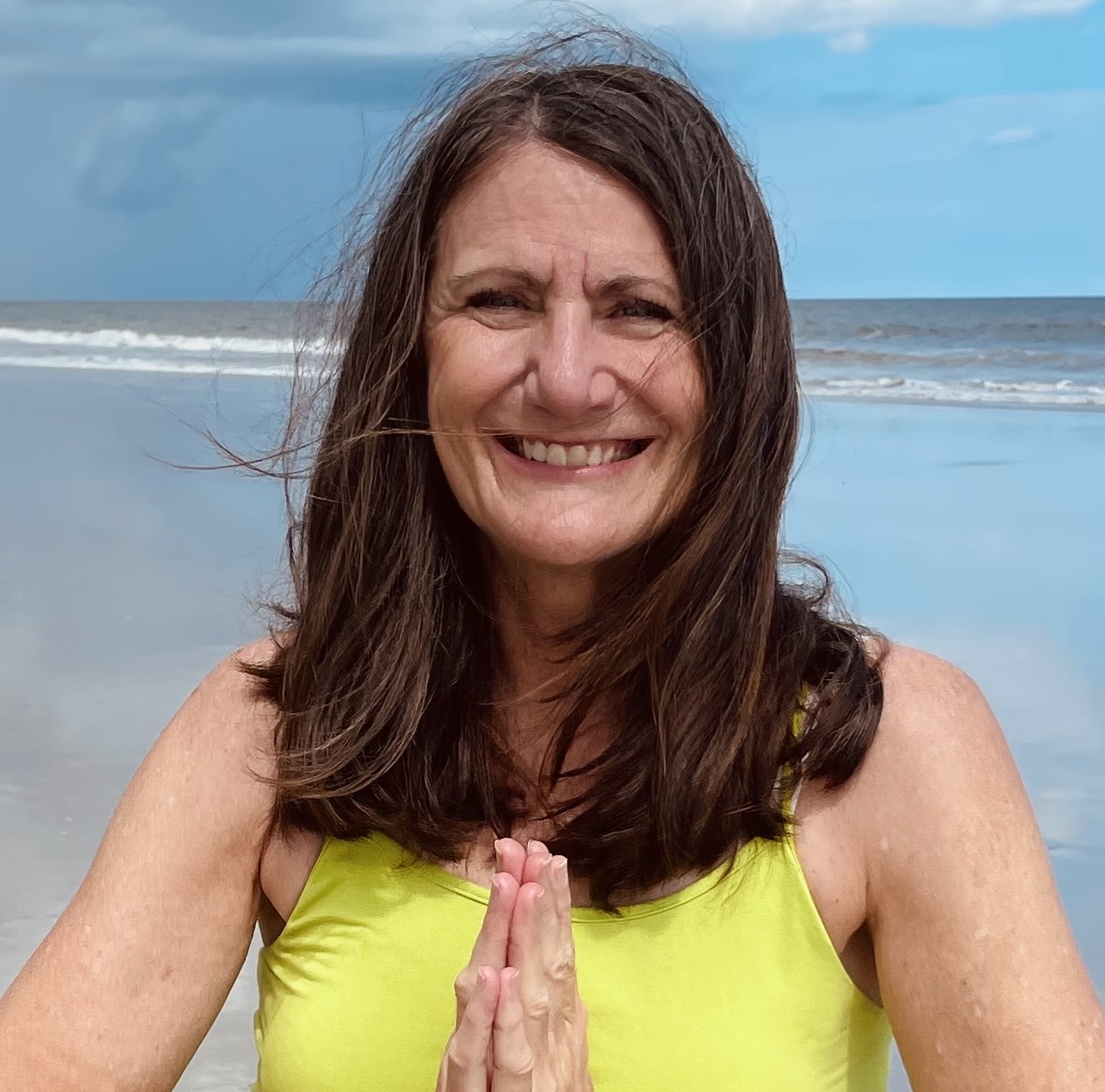
Join Trish for MBSR at Sacred Treehouse
If this resonates with you, consider joining Trish Magyari for her upcoming Mindfulness-Based Stress Reduction (MBSR) program at Sacred Treehouse.
This is an opportunity to:
- Learn trauma-sensitive mindfulness practices in a supportive group.
- Explore tools to manage stress, pain, and self-criticism.
- Build a kinder, more compassionate relationship with yourself.
Whether you are new to mindfulness or deepening your practice, this course offers a safe and nurturing environment to take the next step on your healing journey.
🌿 Visit Sacred Treehouse to learn more and reserve your spot.